
-
-
About
-



Understanding Expanding Tools: The Key to Efficient Hydraulic Applications
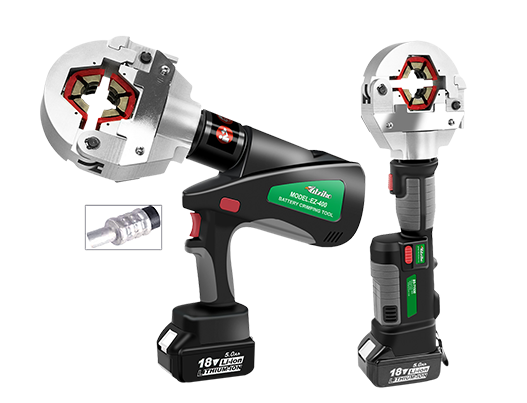
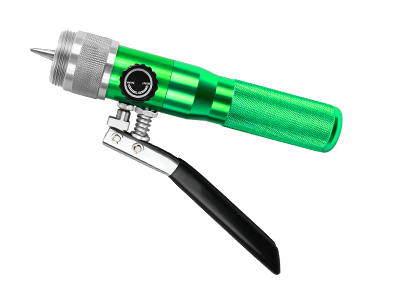
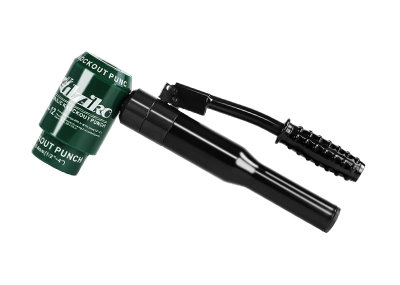
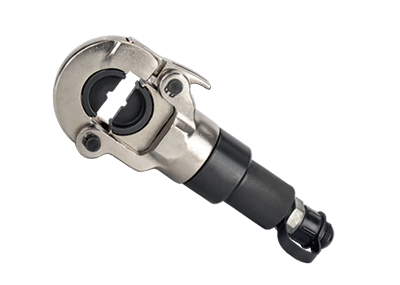
One of the primary advantages of using expanding tools in hydraulic applications is their efficiency. Unlike traditional hand tools, which often require significant physical exertion and time, hydraulic expanding tools utilize fluid power to generate force. This capability allows operators to expand materials such as metal, plastic, or composite surfaces with great precision and control. This makes them invaluable in industries where tight tolerances and high levels of accuracy are non-negotiable.
In addition to their efficiency, expanding tools offer versatility. They can be used in a variety of applications, including construction, manufacturing, and maintenance. For instance, in plumbing, hydraulic expanding tools can help fit pipes and joints accurately, ensuring leak-proof connections. Similarly, in manufacturing, these tools can be employed to create joints in structural components, enhancing overall product integrity.
Moreover, expanding tools contribute to safety in the workplace. The hydraulic system reduces the manual effort required to perform tasks, which minimizes the risk of injury associated with repetitive strain or incorrect usage of manual tools. By using hydraulic expanding tools, workers can maintain better posture and control, reducing fatigue and enhancing productivity.
When considering the use of expanding tools, it’s essential to understand the different types available. Some expanding tools are designed for specific materials, while others may offer adjustable settings for various applications. Selecting the right tool for the job can significantly impact the outcome, making it crucial for users to familiarize themselves with the specifications and capabilities of each tool.
In conclusion, expanding tools play a pivotal role in the hydraulic tool industry by providing efficiency, versatility, and safety. Their ability to streamline processes and enhance accuracy makes them a must-have for professionals working in demanding environments. As technology continues to evolve, the functionality of expanding tools is likely to advance, further solidifying their importance in hydraulic applications. Whether you are a professional tradesperson or a DIY enthusiast, understanding the value of expanding tools can lead to better project outcomes and improved operational efficiency.
Summary:
Expanding tools are an integral part of the hydraulic tool family, designed to facilitate a range of tasks that require precision and strength. These tools are engineered to create or enlarge openings, allowing for the effective joining or separation of materials. The hydraulic mechanism employed in expanding tools provides significant power, enabling users to perform heavy-duty tasks with minimal
Author:
Source:
Date:
2025-04-20
Other information
CONTACT
Add: No.7 Yibao West Road, Lupu Town, Yuhuan City,Zhejiang Province,China
Fax:+86-574-87484328
Copyright ©Taizhou ninghuan Technology Co., LTD. All Rights Reserved.