
-
-
About
-



Mastering the Art of Crimping: Your Essential Guide to Stainless Steel Pipe Tools
Mastering the Art of Crimping: Your Essential Guide to Stainless Steel Pipe Tools
When it comes to working with stainless steel pipes, **crimping plays a crucial role** in ensuring secure and reliable connections. This article will serve as your comprehensive guide, covering everything from the basics of crimping to the best tools available on the market.
Table of Contents
- 1. Understanding Crimping: An Overview
- 2. The Importance of Crimping in Pipe Applications
- 3. Types of Crimping Tools: Choosing the Right One
- 4. Key Features of Quality Crimping Tools
- 5. Step-by-Step Crimping Technique
- 6. Common Mistakes to Avoid When Crimping
- 7. Maintenance of Crimping Tools for Longevity
- 8. Frequently Asked Questions
1. Understanding Crimping: An Overview
**Crimping** is a mechanical process used to join two pieces of metal together by deforming one or both materials. In the context of stainless steel pipes, crimping creates a tight seal that prevents leaks and ensures the integrity of the system being constructed. The process involves using specialized tools to compress the pipe and fitting, creating a secure joint.
The first step in mastering crimping is understanding the materials involved. **Stainless steel** is favored for its corrosion resistance, strength, and durability, making it ideal for various applications, including plumbing, HVAC, and industrial systems.
2. The Importance of Crimping in Pipe Applications
Crimping plays a pivotal role in ensuring that pipes function effectively in their designated applications. Here are a few reasons why crimping is essential:
Durability and Longevity
Properly crimped stainless steel pipes exhibit enhanced longevity, which reduces the likelihood of leaks and failures over time. This durability is particularly crucial in high-pressure applications.
Time Efficiency
Crimping is a faster method of connecting pipes compared to traditional welding or soldering, allowing professionals to complete projects more efficiently.
Ease of Use
With the right tools, crimping is a straightforward process, making it accessible for both professionals and DIY enthusiasts. It requires minimal training, yet provides reliable results.
3. Types of Crimping Tools: Choosing the Right One
Selecting the appropriate crimping tool is critical to achieving the best results. Here are some common types of crimping tools you might encounter:
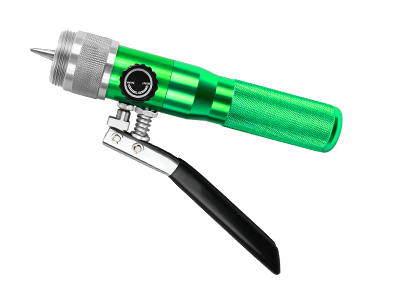
Manual Crimping Tools
Manual crimping tools are ideal for small jobs or tasks requiring minimal crimping. These tools require physical effort, making them suitable for occasional use.
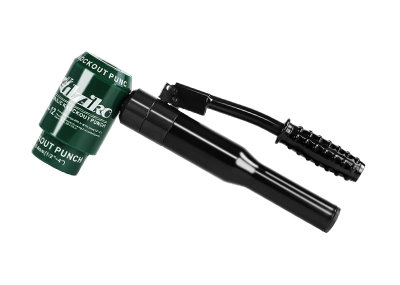
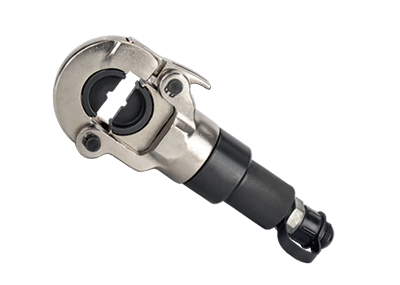
Hydraulic Crimping Tools
Hydraulic tools utilize hydraulic pressure for crimping, providing more power and efficiency, especially for larger projects. They are valuable when working with thick-walled stainless steel pipes.
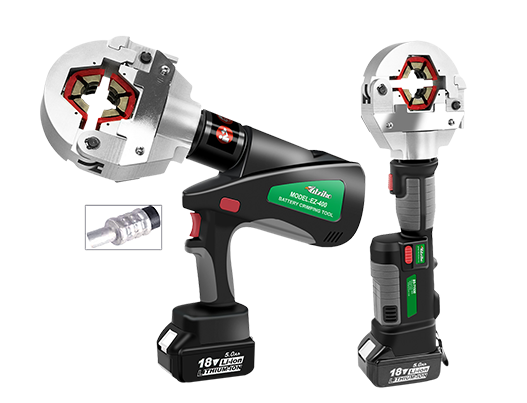
Electric Crimping Tools
Electric crimping tools offer speed and consistency for high-volume tasks. They are suitable for professionals who frequently work with stainless steel piping systems.
4. Key Features of Quality Crimping Tools
When investing in crimping tools, certain features differentiate quality tools from mediocre ones:
Material and Build Quality
High-quality crimping tools are typically made from durable materials such as high-carbon steel, ensuring longevity and reliability.
Adjustable Settings
Tools with adjustable crimping settings allow for versatility in different pipe sizes and materials, making them more beneficial for various applications.
Ease of Use
Ergonomic designs and lightweight materials enhance comfort during use, reducing fatigue, especially when performing multiple crimping tasks.
5. Step-by-Step Crimping Technique
Mastering the crimping technique is essential for achieving a secure connection. Here is a step-by-step guide:
Step 1: Prepare the Pipe and Fitting
Ensure the stainless steel pipe and fitting are clean and free of debris. Any contaminants can affect the quality of the crimp.
Step 2: Select the Right Tool
Choose the appropriate crimping tool based on the pipe diameter and the type of fitting being used.
Step 3: Align the Fitting and Pipe
Insert the pipe into the fitting, ensuring it is fully seated. Proper alignment is key to achieving a strong crimp.
Step 4: Position the Tool
Place the crimping tool over the joint where the pipe meets the fitting.
Step 5: Apply Pressure
Engage the crimping tool, applying even pressure until the crimp is complete. Ensure that the crimping is uniform around the circumference of the pipe.
Step 6: Inspect the Crimp
After crimping, inspect the joint for any imperfections. A well-crimped connection should be tight and show no signs of gaps or misalignment.
6. Common Mistakes to Avoid When Crimping
Even experienced professionals can make mistakes when crimping. Here are some common errors to avoid:
Inadequate Preparation
Failing to properly clean and prepare the pipe and fitting can lead to weak connections.
Incorrect Tool Selection
Using the wrong tool for the job may result in poor crimping quality or even damage to the pipe and fitting.
Rushing the Process
Taking your time to ensure proper alignment and pressure application is crucial. Rushing can lead to mistakes and compromised connections.
Overlooking Safety Precautions
Always wear appropriate safety gear, including gloves and eye protection, especially when working with high-pressure pipes.
7. Maintenance of Crimping Tools for Longevity
To ensure your crimping tools last, regular maintenance is essential:
Cleaning
After each use, clean the tools to remove debris and residues that can affect performance.
Lubrication
Apply lubricant to moving parts to prevent rust and ensure smooth operation.
Inspection
Regularly inspect your tools for wear and tear, replacing any damaged components to maintain functionality.
8. Frequently Asked Questions
What is the best crimping tool for stainless steel pipes?
The best crimping tool depends on your specific needs, including the pipe diameter and application. Hydraulic tools are excellent for larger projects, while manual tools work for smaller jobs.
How do I know if my crimp is secure?
A secure crimp should be uniform without gaps or misalignment. Inspect the joint closely to ensure there are no signs of failure.
Can I use crimping tools for other materials?
Many crimping tools are versatile and can be used for different materials, but always check the manufacturer’s specifications for compatibility.
What safety precautions should I take when crimping?
Wear gloves, safety glasses, and appropriate clothing when crimping to protect yourself from potential hazards.
How often should I maintain my crimping tools?
Regular cleaning and maintenance after each use will prolong the life of your crimping tools. Conduct a thorough inspection periodically to identify any potential issues.
Conclusion
Mastering the art of crimping stainless steel pipes requires knowledge, the right tools, and practice. By understanding the crimping process, selecting the correct tools, and avoiding common mistakes, you can achieve reliable and durable connections. Whether you are a professional or a DIY enthusiast, investing time in learning and improving your crimping skills will pay off in the quality and longevity of your work. Embrace the techniques outlined in this guide, and elevate your crimping proficiency to new heights.
Summary:
Mastering the Art of Crimping: Your Essential Guide to Stainless Steel Pipe Tools When it comes to working with stainless steel pipes, **crimping plays a crucial role** in ensuring secure and reliable connections. This article will serve as your comprehensive guide, covering everything from the basics of crimping to the best tools available on the market. Table of Contents 1. Understanding Crim
Author:
Source:
Date:
2025-04-14
Other information
CONTACT
Add: No.7 Yibao West Road, Lupu Town, Yuhuan City,Zhejiang Province,China
Fax:+86-574-87484328
Copyright ©Taizhou ninghuan Technology Co., LTD. All Rights Reserved.