
-
-
About
-



The Essential Guide to Integrated Hydraulic Pullers: Maximizing Efficiency in Industrial Applications
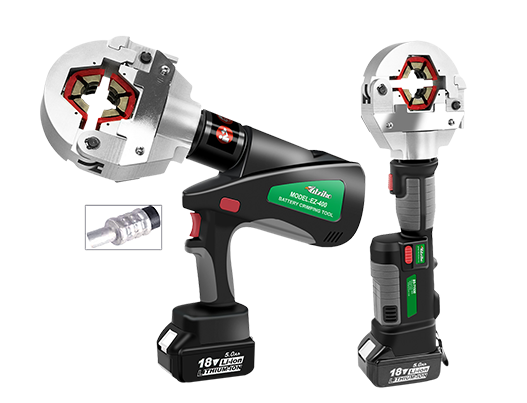
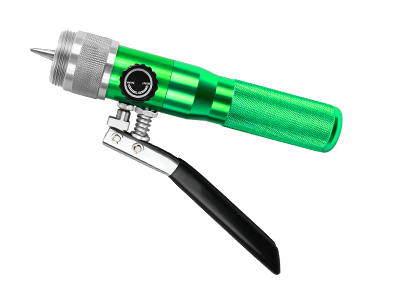
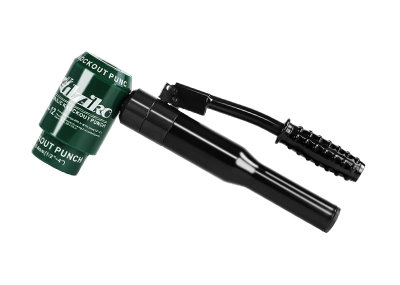
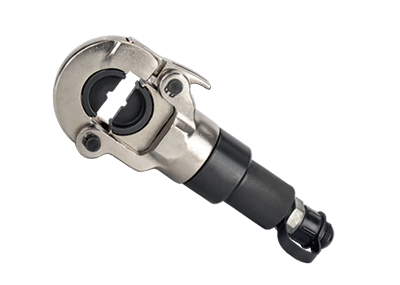
One of the key advantages of Integrated Hydraulic Pullers is their ability to handle larger and heavier components that manual pullers may struggle with. By employing hydraulic power, these tools can exert substantial force while requiring less physical effort from the operator. This ergonomic design not only enhances productivity but also reduces the likelihood of workplace injuries associated with manual handling.
Moreover, Integrated Hydraulic Pullers are versatile, suitable for a range of industrial applications. They are commonly used in automotive repair, machinery assembly, and maintenance tasks within manufacturing environments. Their design allows for quick setup and operation, which is critical in time-sensitive operations. The pullers can come with interchangeable attachments, providing flexibility to handle various sizes and types of components, thereby increasing their utility in different scenarios.
In addition to their practical applications, Integrated Hydraulic Pullers contribute to operational efficiency by streamlining the disassembly process. Traditional methods often involve tedious steps that can lead to delays and increased labor costs. However, with an integrated hydraulic system, the process is simplified: operators can achieve effective component removal with minimal setup time, allowing for faster turnaround on repairs and maintenance tasks.
Furthermore, these pullers are designed with safety features that enhance their reliability. Many models include automatic safety mechanisms that prevent over-pressurization, ensuring that the tool operates within safe limits. This not only protects the equipment but also the personnel involved in the operation.
In conclusion, Integrated Hydraulic Pullers represent a significant advancement in the field of industrial equipment and components. Their ability to provide powerful yet controlled pulling forces, combined with their versatility and safety features, makes them an invaluable asset in various industrial applications. By integrating hydraulic technology into pulling tasks, businesses can achieve greater efficiency, reduced downtime, and improved workplace safety, ultimately contributing to overall operational success.
Summary:
Integrated Hydraulic Pullers are sophisticated tools designed for various applications in the industrial sector, particularly in the field of hydraulic machinery and components. Unlike traditional pulling devices, integrated hydraulic pullers utilize hydraulic pressure to facilitate the removal of components such as bearings, gears, or pulleys. This unique mechanism ensures that the pulling force
Author:
Source:
Date:
2025-04-12
Other information
CONTACT
Add: No.7 Yibao West Road, Lupu Town, Yuhuan City,Zhejiang Province,China
Fax:+86-574-87484328
Copyright ©Taizhou ninghuan Technology Co., LTD. All Rights Reserved.