
-
-
About
-



Unlocking Potential: How an Expanding Tool Can Transform Your Projects
Unlocking Potential: How an Expanding Tool Can Transform Your Projects
Table of Contents
1. Introduction to Expanding Tools
2. Understanding Hydraulic Tools and Their Advantages
3. The Role of Expanding Tools in Various Industries
3.1 Construction
3.2 Manufacturing
3.3 Automotive
4. Key Features of High-Quality Expanding Tools
5. Choosing the Right Expanding Tool for Your Project
5.1 Assessing Project Requirements
5.2 Evaluating Tool Specifications
6. Effective Techniques for Utilizing Expanding Tools
6.1 Maintenance and Care
6.2 Safety Precautions
7. Success Stories: Real-Life Applications of Expanding Tools
8. Frequently Asked Questions (FAQs)
9. Conclusion
1. Introduction to Expanding Tools
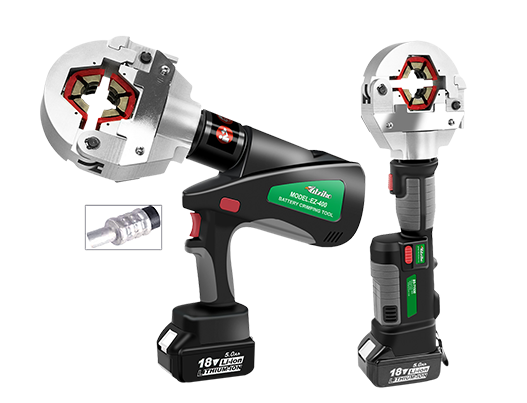
In today's fast-paced world, project efficiency and effectiveness are paramount. **Expanding tools**, particularly **hydraulic tools**, have emerged as essential assets in various industries, significantly enhancing productivity. These tools allow for greater control, precision, and power, enabling professionals to tackle complex tasks with ease. This article delves into the transformative potential of expanding tools and how they can dramatically change the way you approach projects.
2. Understanding Hydraulic Tools and Their Advantages
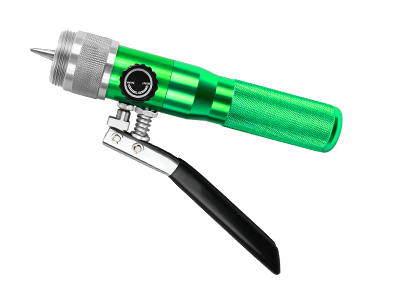
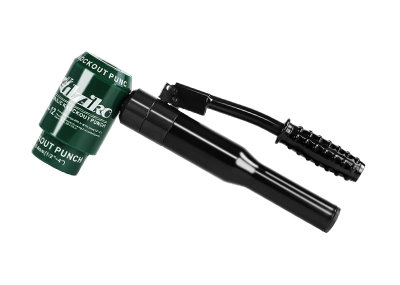
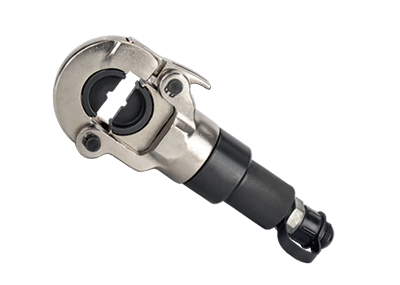
Hydraulic tools operate using fluid mechanics to generate force, making them indispensable for heavy-duty applications. The primary advantages of hydraulic tools include:
- **Increased Power**: These tools can exert substantial force, making them suitable for demanding tasks.
- **Precision Control**: Hydraulic mechanisms allow for meticulous adjustments, crucial in tasks requiring accuracy.
- **Versatility**: From construction to automotive work, hydraulic tools adapt well across various fields.
- **Reduced Physical Strain**: By utilizing hydraulic power, operators experience less fatigue, enhancing overall work efficiency.
3. The Role of Expanding Tools in Various Industries
Expanding tools have a profound impact on multiple sectors. Here, we explore their applications across three major industries:
3.1 Construction
In construction, expanding tools are vital for tasks such as **lifting heavy materials**, **breaking concrete**, and **installing structures**. Hydraulic jacks, for instance, can elevate loads safely and efficiently, while hydraulic breakers can demolish robust materials with precision.
3.2 Manufacturing
Manufacturers utilize expanding tools for assembly, fabrication, and quality control. These tools streamline production processes, ensuring consistency and reducing manufacturing time. **Hydraulic presses** are commonly used to shape and mold materials, showcasing the versatility of expanding tools in manufacturing.
3.3 Automotive
In the automotive industry, expanding tools facilitate tasks such as **repairing vehicles** and **fabricating components**. Hydraulic lifts allow mechanics to access hard-to-reach areas, improving service efficiency. Additionally, expanding tools play a crucial role in creating precise components that meet stringent quality standards.
4. Key Features of High-Quality Expanding Tools
To maximize the benefits of expanding tools, consider the following features:
- **Durability**: High-quality materials ensure longevity and reliability in demanding environments.
- **Ease of Use**: Tools should be designed for intuitive operation, minimizing the learning curve for new users.
- **Safety Features**: Integrated safety mechanisms protect users from accidents and injuries.
- **Portability**: Lightweight designs enhance mobility, allowing for use in various settings.
5. Choosing the Right Expanding Tool for Your Project
Selecting the appropriate expanding tool is crucial for project success. Here’s how to make an informed choice:
5.1 Assessing Project Requirements
Begin by outlining your project needs. Consider factors such as:
- The materials you will work with.
- The size and weight of the items involved.
- The precision required for the task.
5.2 Evaluating Tool Specifications
Once you understand your project requirements, compare the specifications of different tools. Look for features such as:
- Maximum lifting capacity.
- Pressure ratings.
- Dimensions for accessibility in tight spaces.
6. Effective Techniques for Utilizing Expanding Tools
To optimize the performance of expanding tools, implement the following techniques:
6.1 Maintenance and Care
Regular maintenance is essential for ensuring the longevity and efficiency of hydraulic tools. Follow these tips:
- Clean tools after each use to prevent debris buildup.
- Check for leaks and ensure seals are intact.
- Lubricate moving parts to reduce wear and tear.
6.2 Safety Precautions
Safety should always be a priority when using expanding tools. Adhere to these precautions:
- Wear appropriate personal protective equipment (PPE).
- Ensure the work area is clear of hazards.
- Follow manufacturer guidelines for tool operation.
7. Success Stories: Real-Life Applications of Expanding Tools
Numerous businesses have harnessed the power of expanding tools to achieve remarkable outcomes. For instance, a construction company used hydraulic jacks to efficiently lift and position heavy beams during a complex project, reducing labor costs and improving timeline adherence. Similarly, an automotive repair shop that integrated hydraulic lifts reported a significant increase in service throughput, allowing them to cater to more clients without compromising quality.
8. Frequently Asked Questions (FAQs)
What are expanding tools used for?
Expanding tools are used for a variety of applications, including lifting, breaking, and shaping materials across multiple industries such as construction, manufacturing, and automotive.
How do hydraulic tools work?
Hydraulic tools operate by transmitting fluid pressure through a closed system, allowing the tool to exert force and perform tasks efficiently.
What should I consider when choosing an expanding tool?
Consider factors such as project requirements, tool specifications, durability, and safety features when selecting an expanding tool.
Are hydraulic tools safe to use?
When used according to manufacturer guidelines and safety precautions, hydraulic tools can be safe. However, it is crucial to wear appropriate PPE and follow best practices.
How can I maintain my hydraulic tools?
Regularly clean your tools, check for leaks, lubricate moving parts, and follow manufacturer maintenance recommendations to keep them in optimal working condition.
9. Conclusion
Expanding tools, particularly hydraulic tools, play a transformative role across various industries, enhancing productivity, efficiency, and precision. By understanding their benefits, selecting the right tool for your needs, and employing effective techniques, you can unlock their full potential and elevate your projects to new heights. As the demand for innovative solutions grows, embracing the power of expanding tools will undoubtedly give you a competitive edge in your field.
Summary:
Unlocking Potential: How an Expanding Tool Can Transform Your Projects Table of Contents 1. Introduction to Expanding Tools 2. Understanding Hydraulic Tools and Their Advantages 3. The Role of Expanding Tools in Various Industries 3.1 Construction 3.2 Manufacturing 3.3 Automotive 4. Key Features of High-Quality Expanding Tools 5. Choosing the Right Expanding Tool for Your Project
Author:
Source:
Date:
2025-03-21
Other information
CONTACT
Add: No.7 Yibao West Road, Lupu Town, Yuhuan City,Zhejiang Province,China
Fax:+86-574-87484328
Copyright ©Taizhou ninghuan Technology Co., LTD. All Rights Reserved.