
-
-
About
-



Unlocking Efficiency: The Role of Integrated Hydraulic Pullers in Industrial Applications
Unlocking Efficiency: The Role of Integrated Hydraulic Pullers in Industrial Applications
Table of Contents
1. Introduction to Integrated Hydraulic Pullers
2. Understanding the Basics of Hydraulic Mechanics
3. Key Advantages of Integrated Hydraulic Pullers
3.1 Enhanced Efficiency and Productivity
3.2 Reduction in Downtime and Maintenance Costs
4. Types of Integrated Hydraulic Pullers
4.1 Single-Action vs. Double-Action Pullers
4.2 Manual vs. Electric Hydraulic Pullers
5. Applications of Integrated Hydraulic Pullers in Industry
5.1 Automotive Repairs and Maintenance
5.2 Industrial Machinery and Equipment
5.3 Construction and Heavy Equipment
6. Best Practices for Using Integrated Hydraulic Pullers
6.1 Safety Precautions
6.2 Maintenance Tips for Longevity
7. Future Trends in Hydraulic Puller Technology
8. Frequently Asked Questions (FAQs)
9. Conclusion
1. Introduction to Integrated Hydraulic Pullers
Integrated hydraulic pullers are essential tools that streamline the process of removing gears, bearings, and other tightly fitted components in various industrial applications. By leveraging hydraulic pressure, these pullers facilitate the safe and efficient extraction of parts that may be otherwise difficult to access or remove. As industries continue to prioritize efficiency and productivity, the role of hydraulic pullers becomes increasingly vital.
2. Understanding the Basics of Hydraulic Mechanics
To appreciate the functionality of integrated hydraulic pullers, it is crucial to understand the principles of hydraulic mechanics. Hydraulic systems utilize incompressible fluids to transmit force, and this principle is the cornerstone of how hydraulic pullers operate. When hydraulic fluid is pressurized within a cylinder, it generates significant force that can be applied to components, enabling the extraction process without damaging surrounding parts.
3. Key Advantages of Integrated Hydraulic Pullers
Integrated hydraulic pullers offer a myriad of advantages that enhance operational efficiency in industrial settings.
3.1 Enhanced Efficiency and Productivity
The automation of the pulling process significantly reduces the time required for component removal. With the ability to exert high levels of force easily, hydraulic pullers enable technicians to complete tasks that would take much longer with manual tools. This increased efficiency translates to higher overall productivity, allowing businesses to meet deadlines and fulfill orders more effectively.
3.2 Reduction in Downtime and Maintenance Costs
Utilizing integrated hydraulic pullers minimizes the risk of damage to components during removal. This not only protects valuable machinery but also reduces the overall cost of repairs and maintenance. By preventing unnecessary breakdowns and ensuring that components can be replaced or serviced promptly, these tools help organizations to maintain continuous operational flow.
4. Types of Integrated Hydraulic Pullers
Understanding the various types of hydraulic pullers is essential for selecting the right tool for specific applications.
4.1 Single-Action vs. Double-Action Pullers
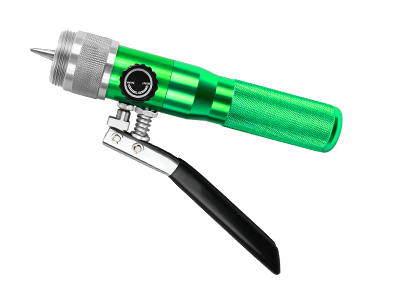
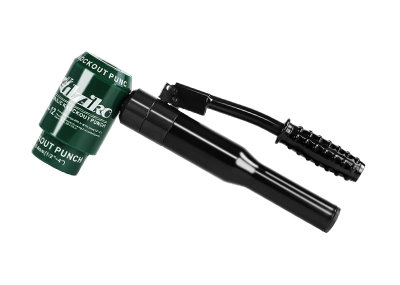
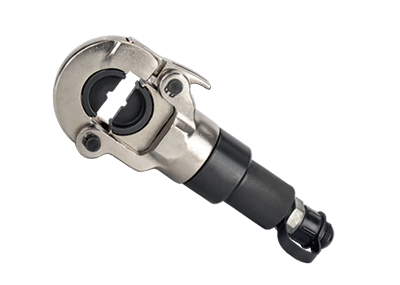
Single-action hydraulic pullers apply force in one direction, making them ideal for straightforward removal tasks. Conversely, double-action pullers can exert force in both directions, allowing for more versatile applications and improved efficiency in complex removals. Selecting the appropriate type depends on the specific requirements of the task at hand.
4.2 Manual vs. Electric Hydraulic Pullers
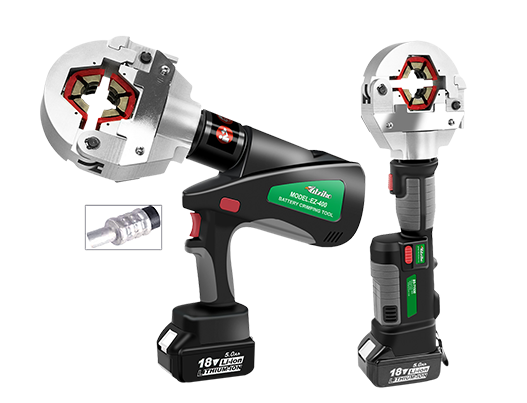
Manual hydraulic pullers require human effort to operate, while electric hydraulic pullers automate the process, requiring minimal manual intervention. Electric pullers are particularly beneficial in high-volume environments where speed and efficiency are paramount. They provide consistent force and reduce operator fatigue, making them a popular choice in modern industrial settings.
5. Applications of Integrated Hydraulic Pullers in Industry
The versatility of integrated hydraulic pullers allows them to be utilized across various sectors.
5.1 Automotive Repairs and Maintenance
In the automotive industry, hydraulic pullers are indispensable tools for removing gears, bearings, and pulleys during maintenance and repair. Their ability to handle stubborn components with ease enhances the efficiency of automotive service operations.
5.2 Industrial Machinery and Equipment
Hydraulic pullers are vital in manufacturing environments, where they assist in maintaining and servicing heavy machinery. They allow technicians to access and replace critical components without extensive disassembly, thereby streamlining operational workflows.
5.3 Construction and Heavy Equipment
In the construction sector, hydraulic pullers facilitate the maintenance of heavy equipment such as excavators and cranes. These tools enable quick repairs, minimizing equipment downtime and maximizing project efficiency.
6. Best Practices for Using Integrated Hydraulic Pullers
To ensure the longevity and effectiveness of hydraulic pullers, following best practices is essential.
6.1 Safety Precautions
When operating hydraulic pullers, always adhere to safety guidelines. Ensure that operators wear appropriate personal protective equipment (PPE) and follow manufacturer instructions to prevent accidents and injuries.
6.2 Maintenance Tips for Longevity
Regular maintenance of hydraulic pullers, including inspection for wear and tear, ensures optimal performance. Lubricating moving parts and checking hydraulic fluid levels are critical steps in prolonging the life of these tools.
7. Future Trends in Hydraulic Puller Technology
As industries evolve, so do the technologies that support them. The future of hydraulic pullers looks promising, with advancements in automation and smart technology integration on the horizon. Expect to see features like real-time monitoring systems and enhanced energy efficiency, further solidifying the role of hydraulic pullers in modern industrial applications.
8. Frequently Asked Questions (FAQs)
Q1: What is an integrated hydraulic puller?
A1: An integrated hydraulic puller is a tool that uses hydraulic pressure to efficiently and safely remove components like gears and bearings from machinery.
Q2: How do I choose the right hydraulic puller for my application?
A2: Consider the specific requirements of your task, including the size and type of components being removed, and whether a manual or electric puller would be more effective.
Q3: Are hydraulic pullers safe to use?
A3: Yes, when operated correctly and in accordance with safety guidelines, hydraulic pullers are safe tools that enhance efficiency in component removal.
Q4: How can I maintain my hydraulic puller?
A4: Regularly inspect your puller for wear, lubricate moving parts, and check hydraulic fluid levels to ensure optimal performance.
Q5: What industries benefit most from hydraulic pullers?
A5: Industries such as automotive, manufacturing, and construction significantly benefit from hydraulic pullers due to their efficiency and effectiveness in component maintenance and replacement.
9. Conclusion
Integrated hydraulic pullers play a crucial role in enhancing efficiency within various industrial applications. By enabling the safe and effective removal of components, these advanced tools contribute to increased productivity, reduced downtime, and lower maintenance costs. As technology continues to evolve, the capabilities of hydraulic pullers are set to expand further, making them indispensable in modern industrial operations. Embracing these tools will not only streamline processes but also bolster the overall success of any industrial enterprise.
Summary:
Unlocking Efficiency: The Role of Integrated Hydraulic Pullers in Industrial Applications Table of Contents 1. Introduction to Integrated Hydraulic Pullers 2. Understanding the Basics of Hydraulic Mechanics 3. Key Advantages of Integrated Hydraulic Pullers 3.1 Enhanced Efficiency and Productivity 3.2 Reduction in Downtime and Maintenance Costs 4. Types of Integrated Hydraulic Pullers
Author:
Source:
Date:
2025-03-13
Other information
CONTACT
Add: No.7 Yibao West Road, Lupu Town, Yuhuan City,Zhejiang Province,China
Fax:+86-574-87484328
Copyright ©Taizhou ninghuan Technology Co., LTD. All Rights Reserved.