
-
-
About
-

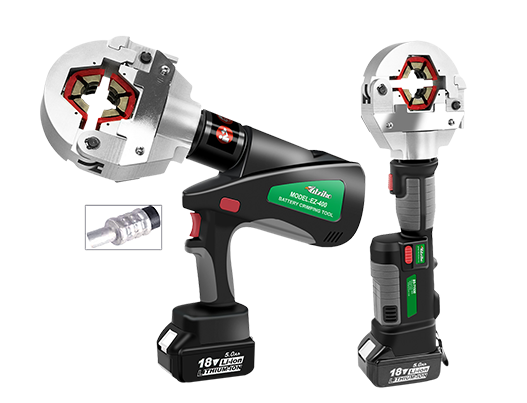
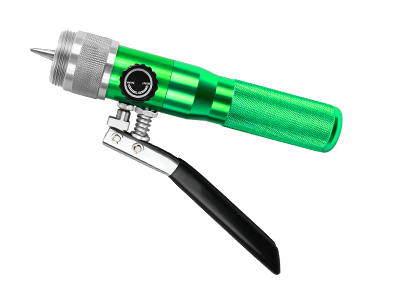
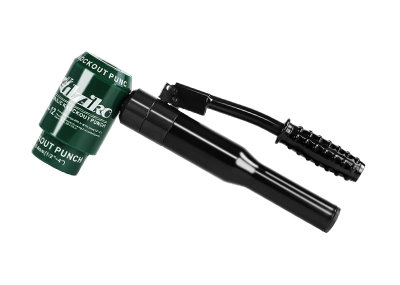

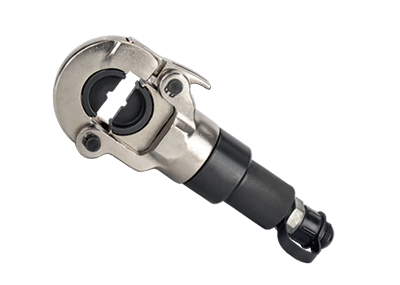

Hydraulic Brass Cutters: A Comprehensive Exploration of Their Advantages
Hydraulic Brass Cutters: A Comprehensive Exploration of Their Advantages
Table of Contents
- 1. Introduction to Hydraulic Brass Cutters
- 2. Understanding Hydraulic Cutters
- 3. Advantages of Hydraulic Brass Cutters
- 3.1 Efficiency in Operations
- 3.2 Precision Cutting Capabilities
- 3.3 Enhanced Safety Features
- 3.4 Versatility in Applications
- 4. Key Features of Hydraulic Brass Cutters
- 5. Real-World Applications of Hydraulic Brass Cutters
- 6. Maintenance Tips for Hydraulic Brass Cutters
- 7. Choosing the Right Hydraulic Brass Cutter
- 8. Frequently Asked Questions
- 9. Conclusion
1. Introduction to Hydraulic Brass Cutters
Hydraulic brass cutters play an integral role in the industrial sector, particularly in tasks requiring the cutting of brass and other metals. These cutters utilize hydraulic power to deliver exceptional strength and precision, making them indispensable tools for professionals in welding and cutting operations. As industries evolve, the demand for efficient and reliable cutting tools continues to rise, making hydraulic brass cutters a popular choice.
2. Understanding Hydraulic Cutters
Hydraulic cutters are specialized tools that use hydraulic force to cut through tough materials. Unlike traditional cutting methods that rely on mechanical force, hydraulic cutters leverage the principles of fluid mechanics to achieve superior cutting power. This allows for a more efficient cutting process, reducing the time and effort required to complete tasks.
The hydraulic system operates by utilizing pressurized fluid to generate force, which is then transferred to the cutting mechanism. This design not only enhances cutting performance but also minimizes operator fatigue, allowing for prolonged use without compromising safety or efficiency.
3. Advantages of Hydraulic Brass Cutters
Hydraulic brass cutters offer several advantages that set them apart from conventional cutting tools. Understanding these benefits can help professionals make informed decisions regarding their cutting equipment.
3.1 Efficiency in Operations
One of the primary advantages of hydraulic brass cutters is their **efficiency in operations**. These tools can effortlessly cut through brass and other metals, significantly reducing the time required for cutting tasks. The hydraulic mechanism allows for quick and consistent cuts, enabling operators to complete projects faster and with less downtime.
Moreover, hydraulic brass cutters can handle various thicknesses of brass, making them suitable for different cutting applications. This versatility contributes to improved workflow and increased productivity in industrial settings.
3.2 Precision Cutting Capabilities
Precision is paramount in the cutting industry, and hydraulic brass cutters excel in delivering accurate cuts. The hydraulic system ensures that the cutting force is applied evenly, resulting in clean and precise cuts every time. This level of accuracy is crucial, especially in industries where tolerances are tight and quality is non-negotiable.
Additionally, many hydraulic brass cutters come equipped with adjustable cutting pressures, allowing operators to customize the force applied based on the material and thickness being cut. This feature further enhances the precision of the cuts, ensuring that each piece meets the desired specifications.
3.3 Enhanced Safety Features
Safety is a critical concern in any industrial environment, and hydraulic brass cutters are designed with operator safety in mind. These tools often include safety mechanisms such as pressure relief valves, which prevent excessive pressure buildup and reduce the risk of accidents.
Furthermore, the design of hydraulic brass cutters minimizes the risk of kickback and other hazards associated with traditional cutting methods. Operators can work with confidence, knowing that their equipment is engineered to prioritize safety while maintaining high performance.
3.4 Versatility in Applications
Hydraulic brass cutters are incredibly versatile, making them suitable for a wide range of applications. Whether you are working on plumbing installations, HVAC systems, or electrical components, these cutters can handle various brass fittings and components with ease.
Their adaptability also extends to different environments, including construction sites, manufacturing facilities, and maintenance workshops. This versatility not only makes hydraulic brass cutters a valuable addition to any toolkit but also enhances their overall utility in diverse industrial tasks.
4. Key Features of Hydraulic Brass Cutters
To fully appreciate the advantages of hydraulic brass cutters, it is essential to understand the key features that make them stand out. Here are some of the most notable characteristics:
- **Hydraulic Power System**: The hydraulic system provides superior cutting force, allowing for efficient operation through various materials.
- **Adjustable Cutting Pressure**: This feature enables users to customize the cutting force based on specific project requirements, enhancing precision and efficiency.
- **Ergonomic Design**: Many hydraulic brass cutters are designed with user comfort in mind, featuring ergonomic handles and lightweight construction to reduce operator fatigue.
- **Durability**: Constructed from high-quality materials, hydraulic brass cutters are built to withstand the rigors of industrial use, ensuring longevity and reliability.
- **Portability**: Many models are designed for easy transport, making them convenient for use in multiple locations and job sites.
5. Real-World Applications of Hydraulic Brass Cutters
Hydraulic brass cutters are employed in various industries and applications. Some of the most common uses include:
- **Plumbing**: Cutting brass pipes and fittings to precise lengths is crucial for plumbing installations. Hydraulic brass cutters excel in this area, ensuring clean cuts that fit seamlessly into plumbing systems.
- **Electrical Work**: Brass connectors and terminals are frequently used in electrical applications. Hydraulic brass cutters make it easy to cut these components accurately, enhancing overall system performance.
- **HVAC Systems**: In heating, ventilation, and air conditioning systems, hydraulic brass cutters are used to create custom fittings and connections, ensuring proper airflow and efficiency.
- **Manufacturing**: Many manufacturing processes involve the use of brass components. Hydraulic brass cutters streamline production by providing quick and precise cuts for assembly.
6. Maintenance Tips for Hydraulic Brass Cutters
To ensure the longevity and optimal performance of hydraulic brass cutters, regular maintenance is essential. Here are some practical tips:
- **Regular Cleaning**: Keep the cutting blades clean and free from debris to maintain cutting efficiency. Use a soft cloth to wipe down the surfaces after each use.
- **Inspect Hydraulics**: Periodically check the hydraulic system for leaks or signs of wear. Address any issues promptly to prevent further damage.
- **Lubricate Moving Parts**: Apply lubricant to moving components to reduce friction and wear, ensuring smooth operation.
- **Store Properly**: When not in use, store hydraulic brass cutters in a dry, safe place to protect them from environmental damage.
7. Choosing the Right Hydraulic Brass Cutter
Selecting the right hydraulic brass cutter for your needs requires careful consideration of several factors:
- **Cutting Capacity**: Determine the thickness and type of materials you will be cutting and choose a cutter that can handle those specifications.
- **Portability**: If you require a cutter for multiple job sites, consider a lightweight and portable model that is easy to transport.
- **Ease of Use**: Look for features such as ergonomic handles and adjustable cutting pressures that enhance user comfort and control.
By assessing your specific requirements and understanding the capabilities of different models, you can select a hydraulic brass cutter that meets your needs effectively.
8. Frequently Asked Questions
1. What is the primary advantage of using hydraulic brass cutters?
The primary advantage lies in their efficiency and precision, allowing for quick and accurate cuts through brass and other metals.
2. Are hydraulic brass cutters safe to use?
Yes, hydraulic brass cutters are designed with safety features that minimize risks, making them safe for operators when used correctly.
3. Can hydraulic brass cutters cut materials other than brass?
Yes, while they are primarily designed for brass, hydraulic cutters can effectively cut through various metals, depending on the specific model and its capabilities.
4. How often should I perform maintenance on my hydraulic brass cutter?
Regular maintenance should be performed after each use, including cleaning and inspecting the hydraulic system for any issues.
5. What features should I look for when purchasing a hydraulic brass cutter?
Key features to consider include cutting capacity, portability, ease of use, and adjustable cutting pressure.
9. Conclusion
Hydraulic brass cutters are invaluable tools in the industrial sector, providing **efficient**, **precise**, and **safe** cutting solutions for brass and other metals. Their advantages over traditional cutting methods make them essential in various applications, from plumbing to manufacturing. By understanding their features and benefits, professionals can make informed decisions that enhance productivity and quality in their work. Whether you're looking for a hydraulic brass cutter for your business or personal use, investing in one of these powerful tools is sure to pay off in the long run.
Summary:
Hydraulic Brass Cutters: A Comprehensive Exploration of Their Advantages Table of Contents 1. Introduction to Hydraulic Brass Cutters 2. Understanding Hydraulic Cutters 3. Advantages of Hydraulic Brass Cutters 3.1 Efficiency in Operations 3.2 Precision Cutting Capabilities 3.3 Enhanced Safety Features 3.4 Versatility in Applications 4. Key Features of
Author:
Source:
Date:
2025-03-09
Other information
CONTACT
Add: No.7 Yibao West Road, Lupu Town, Yuhuan City,Zhejiang Province,China
Fax:+86-574-87484328
Copyright ©Taizhou ninghuan Technology Co., LTD. All Rights Reserved.