
-
-
About
-

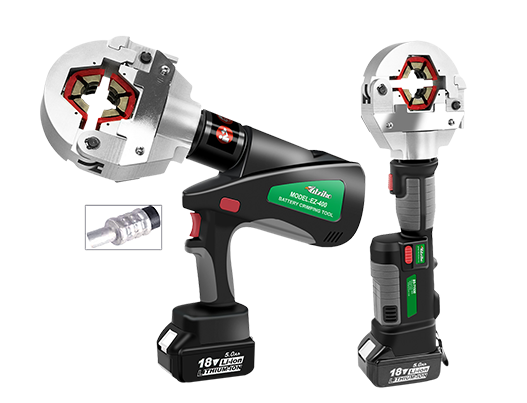
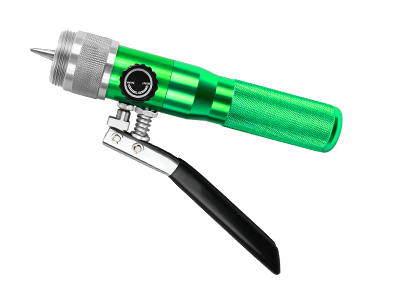
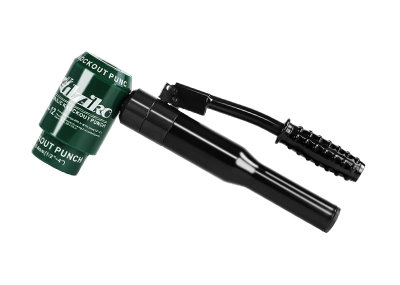

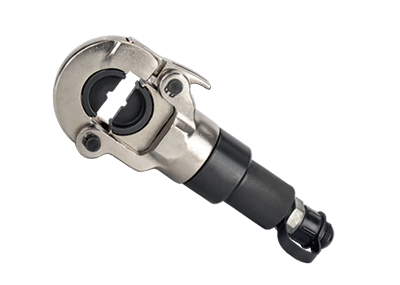

Integral Flange Separators in Action: Transforming Manufacturing Efficiency through Real-World Success Stories
Integral Flange Separators in Action: Real-World Success Stories
Table of Contents
- 1. Introduction to Integral Flange Separators
- 2. What Are Integral Flange Separators?
- 3. Key Benefits of Using Integral Flange Separators in Manufacturing
- 4. Real-World Case Studies: Success Stories with Integral Flange Separators
- 4.1 Case Study 1: Automotive Industry Innovations
- 4.2 Case Study 2: Aerospace Manufacturing Enhancements
- 4.3 Case Study 3: Electronics Production Efficiency
- 5. The Future of Integral Flange Separators in Manufacturing
- 6. Frequently Asked Questions (FAQs)
- 7. Conclusion
1. Introduction to Integral Flange Separators
Integral flange separators are rapidly becoming essential tools in modern manufacturing processes. As industries strive for operational excellence, the demand for reliable and efficient separating solutions has surged. These separators not only streamline production but also enhance product quality, making them invaluable in machining environments.
This article explores real-world success stories that demonstrate the practical applications and benefits of integral flange separators within various sectors. We aim to highlight how these devices can revolutionize your manufacturing operations, showcasing their versatility, efficiency, and impact on productivity.
2. What Are Integral Flange Separators?
Integral flange separators are specialized devices designed to facilitate the separation of components during the manufacturing process. These separators typically consist of a robust body with a flange, allowing for secure attachment to machinery or fixtures. By leveraging magnetic forces, they effectively isolate unwanted metal particles or debris from the production line, thereby ensuring the integrity of the end product.
These separators come in various sizes and configurations, making them adaptable to different manufacturing processes, including machining, assembly, and finishing operations. Their design is focused on minimizing contamination and maximizing efficiency, which is critical in industries such as automotive, aerospace, and electronics.
3. Key Benefits of Using Integral Flange Separators in Manufacturing
The integration of **integral flange separators** into manufacturing processes yields numerous benefits. Here are some key advantages that make them a game-changer in the industry:
3.1 Enhanced Product Quality
By effectively removing contaminants from the production line, integral flange separators help maintain superior product quality. This is particularly important in precision machining, where even minute particles can lead to defects.
3.2 Increased Operational Efficiency
These separators streamline manufacturing workflows. By reducing downtime associated with manual cleaning and inspection, they allow for uninterrupted production cycles and increased output.
3.3 Cost Reduction
Implementing integral flange separators can lead to significant cost savings. By minimizing waste and enhancing product quality, manufacturers can avoid costly reworks and recalls, thereby improving their bottom line.
3.4 Versatility and Adaptability
Integral flange separators can be customized to fit various applications and equipment, making them suitable for diverse industries. Their adaptability ensures that manufacturers can optimize their processes no matter the scale of production.
3.5 Easy Maintenance
Designed for durability, these separators require minimal maintenance. Their simple installation and easy-to-clean features contribute to reduced operational interruptions, making them a preferred choice for manufacturers.
4. Real-World Case Studies: Success Stories with Integral Flange Separators
Understanding the practical applications of integral flange separators is best achieved through real-world examples. Let’s explore several success stories from different industries that showcase their effectiveness.
4.1 Case Study 1: Automotive Industry Innovations
In the automotive industry, one leading manufacturer adopted integral flange separators to enhance their assembly line operations. Before implementation, they faced challenges with metal shavings contaminating vehicle components. This contamination resulted in increased rework and production delays.
After integrating integral flange separators, the company reported a **30% reduction in rework costs** and a **20% increase in production speed**. The separators effectively captured metal debris, ensuring that only clean components moved through the production line. This innovation not only improved product quality but also boosted overall productivity.
4.2 Case Study 2: Aerospace Manufacturing Enhancements
Another notable application of integral flange separators occurred in an aerospace manufacturing facility. The company faced stringent quality control measures and could not afford any contamination in their components, as they directly impacted safety.
By implementing these separators at critical points in their production process, they achieved **100% contaminant-free components**. This not only enhanced their quality assurance process but also enabled them to meet regulatory standards more efficiently. The result was a safer product and a stronger reputation in the aerospace market.
4.3 Case Study 3: Electronics Production Efficiency
In the electronics sector, a leading manufacturer adopted integral flange separators to tackle issues related to dust and debris on printed circuit boards (PCBs). Contamination on PCBs can lead to malfunction and increased warranty claims.
Post-implementation, the manufacturer saw a **40% decrease in defects** associated with contamination. The separators allowed for a cleaner production environment, leading to higher customer satisfaction and reduced costs related to returns and repairs.
5. The Future of Integral Flange Separators in Manufacturing
As industries continue to innovate, the role of integral flange separators is expected to grow even further. Advancements in materials and technology will enhance their effectiveness and adaptability. We anticipate the following trends in the future of integral flange separators:
5.1 Smart Technology Integration
With the rise of Industry 4.0, there is a growing trend toward integrating smart technologies into manufacturing equipment. Future integral flange separators may incorporate IoT capabilities, enabling real-time monitoring and data analysis to predict maintenance needs and optimize performance.
5.2 Eco-Friendly Designs
Sustainability is becoming increasingly important in manufacturing. Future designs of integral flange separators are likely to focus on eco-friendly materials and processes, contributing to greener manufacturing practices.
5.3 Enhanced Efficiency through Automation
Automation is reshaping the manufacturing landscape. We expect integral flange separators to evolve alongside this trend, with automated systems that maximize their efficiency and effectiveness, reducing reliance on manual intervention.
6. Frequently Asked Questions (FAQs)
6.1 What industries benefit most from integral flange separators?
Integral flange separators are widely beneficial in industries such as automotive, aerospace, electronics, and any sector that requires precision manufacturing and quality control.
6.2 How do integral flange separators work?
These separators work by utilizing magnetic forces to attract and capture unwanted metal debris, thereby preventing contamination in the production process.
6.3 Are integral flange separators easy to install?
Yes, integral flange separators are designed for easy installation and can be integrated into existing manufacturing processes with minimal disruption.
6.4 What maintenance is required for integral flange separators?
Regular cleaning and inspection are recommended to ensure optimal performance, but these separators are generally low-maintenance.
6.5 Can integral flange separators improve production speed?
Absolutely. By minimizing contamination and reducing downtime for cleaning, integral flange separators can significantly enhance overall production speed.
7. Conclusion
Integral flange separators are transforming the landscape of manufacturing by improving product quality, increasing operational efficiency, and reducing costs. The success stories from various industries illustrate their versatility and effectiveness in tackling contamination issues. As we move toward a more automated and eco-friendly manufacturing future, the role of integral flange separators will only become more prominent. Manufacturers looking to enhance their processes should consider these innovative separators as a key component in achieving operational excellence and maintaining competitive advantage in their respective markets.
Summary:
Integral Flange Separators in Action: Real-World Success Stories Table of Contents 1. Introduction to Integral Flange Separators 2. What Are Integral Flange Separators? 3. Key Benefits of Using Integral Flange Separators in Manufacturing 4. Real-World Case Studies: Success Stories with Integral Flange Separators 4.1 Case Study 1: Automotive Industry Innovations
Author:
Source:
Date:
2025-03-01
Other information
CONTACT
Add: No.7 Yibao West Road, Lupu Town, Yuhuan City,Zhejiang Province,China
Fax:+86-574-87484328
Copyright ©Taizhou ninghuan Technology Co., LTD. All Rights Reserved.