
-
-
About
-



Understanding Manual Hydraulic Pumps: A Comprehensive Guide for Professionals
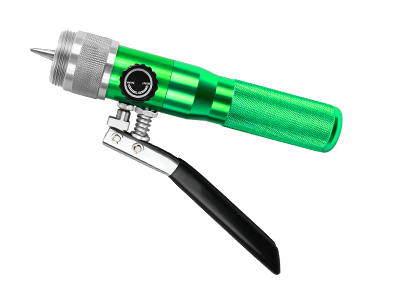
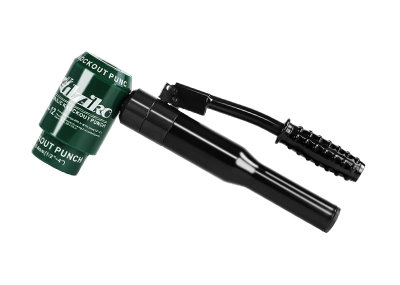
At the core of a manual hydraulic pump is the principle of Pascal's law, which states that pressure applied to a confined fluid is transmitted undiminished throughout the fluid. This principle allows the manual hydraulic pump to amplify force, making it possible to lift substantial weights with minimal effort. Typically operated via a hand lever, these pumps are designed to convert manual effort into hydraulic pressure, which can then be used in different machinery or construction tasks.
Manual hydraulic pumps find applications in numerous industries, including automotive repair, metalworking, and construction. For instance, they are commonly used for lifting vehicles, moving heavy machinery, and even bending or cutting metal. Their versatility makes them an invaluable tool in workshops, manufacturing plants, and construction sites where heavy lifting and precise control are required.
One significant advantage of manual hydraulic pumps is their portability. Unlike powered hydraulic systems, which require electricity or fuel to operate, manual pumps can be easily transported and used in locations where power sources are limited or unavailable. This feature makes them particularly useful in outdoor settings, remote job sites, or emergency situations where traditional power sources may not be accessible.
Moreover, manual hydraulic pumps are often more cost-effective than their powered counterparts. They require less maintenance and have fewer components that could fail, offering a reliable solution for many businesses. When selecting a manual hydraulic pump, professionals should consider factors such as lifting capacity, stroke length, and the specific application. Understanding these parameters will ensure that the chosen pump effectively meets the operational needs of the task at hand.
In conclusion, manual hydraulic pumps play a vital role in the machinery hardware industry, providing essential functionality for lifting and moving heavy objects. Their simple design, ease of use, and adaptability make them indispensable tools for professionals across various sectors. By grasping the principles and advantages of manual hydraulic pumps, industry professionals can enhance their operational capabilities and improve overall efficiency in their projects. When selecting the right manual hydraulic pump, always consider your specific requirements to maximize performance and reliability.
Summary:
Manual hydraulic pumps are critical components in various industrial applications, particularly in the machinery hardware sector. These devices utilize a manual mechanism to generate hydraulic pressure, enabling operators to lift heavy loads, apply force, or perform intricate tasks with precision. Understanding the functionality and applications of manual hydraulic pumps can significantly enhance
Author:
Source:
Date:
2025-02-09
Other information
CONTACT
Add: No.7 Yibao West Road, Lupu Town, Yuhuan City,Zhejiang Province,China
Fax:+86-574-87484328
Copyright ©Taizhou ninghuan Technology Co., LTD. All Rights Reserved.