
-
-
About
-

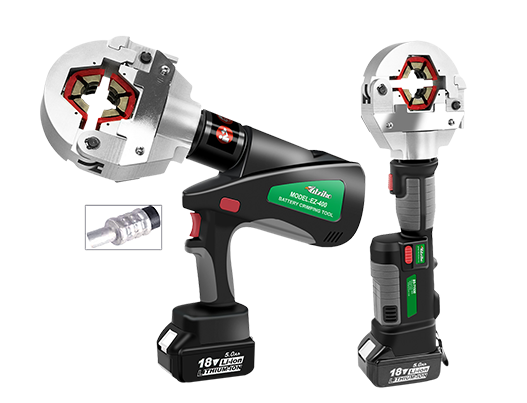
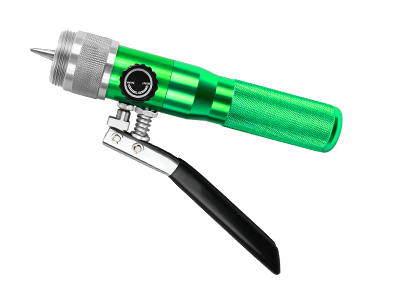
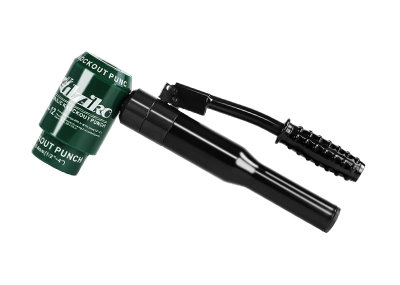

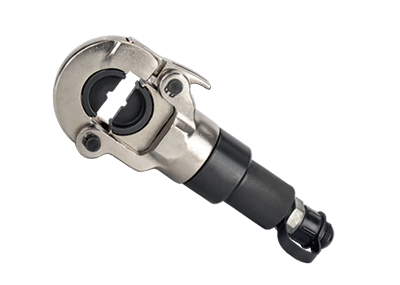

Maximize Efficiency: The Ultimate Guide to Hydraulic Angle Steel Cutting Machines
Maximize Efficiency: The Ultimate Guide to Hydraulic Angle Steel Cutting Machines
Table of Contents
- 1. Introduction to Hydraulic Angle Steel Cutting Machines
- 2. What is a Hydraulic Angle Steel Cutting Machine?
- 3. Key Features of Hydraulic Angle Steel Cutting Machines
- 4. Benefits of Using Hydraulic Angle Steel Cutting Machines
- 5. Applications in Various Industries
- 6. How to Choose the Right Hydraulic Angle Steel Cutting Machine
- 7. Maintenance Tips for Hydraulic Angle Steel Cutting Machines
- 8. Frequently Asked Questions
- 9. Conclusion
1. Introduction to Hydraulic Angle Steel Cutting Machines
The industrial landscape is constantly evolving, and the demand for efficient, precise, and reliable machinery is at an all-time high. Hydraulic angle steel cutting machines stand out as some of the most advanced tools in a manufacturer's arsenal. These machines are designed to cut various steel angles with pinpoint accuracy, improving the overall quality of the final products. Whether you are involved in construction, manufacturing, or metalworking, understanding the ins and outs of hydraulic angle steel cutting machines can significantly enhance your operations.
2. What is a Hydraulic Angle Steel Cutting Machine?
Hydraulic angle steel cutting machines utilize hydraulic power to execute precise cuts on steel angles. Unlike traditional cutting methods, which may rely on manual effort or outdated mechanical systems, hydraulic machines leverage fluid dynamics to optimize force and efficiency. This results in faster cutting speeds, reduced material wastage, and minimized labor costs.
2.1 Components of a Hydraulic Angle Steel Cutting Machine
A typical hydraulic angle steel cutting machine comprises several essential components:
- **Hydraulic Cylinder**: Generates the force needed for cutting.
- **Cutting Blade**: Designed to withstand high levels of stress while ensuring a crisp cut.
- **Control Panel**: Provides operators with the ability to adjust settings and monitor the machine's performance.
- **Frame and Base**: Offers stability and support during operation.
3. Key Features of Hydraulic Angle Steel Cutting Machines
Several features distinguish hydraulic angle steel cutting machines, contributing to their widespread adoption in various industries.
3.1 High Cutting Speed
Hydraulic angle steel cutting machines are known for their swift operational capabilities, allowing for increased productivity without sacrificing quality.
3.2 Precision Cutting
Equipped with advanced cutting technology, these machines deliver precise cuts that meet strict tolerances, ensuring consistency in every piece produced.
3.3 User-Friendly Controls
Modern hydraulic machines often come with intuitive interfaces, enabling operators to adjust cutting parameters effortlessly, thus enhancing the overall user experience.
3.4 Durability and Reliability
Constructed from high-quality materials, these machines are designed for long-term use, withstanding the rigors of heavy-duty operations.
4. Benefits of Using Hydraulic Angle Steel Cutting Machines
The integration of hydraulic angle steel cutting machines into your production line can yield numerous advantages.
4.1 Cost-Effectiveness
By reducing labor costs and minimizing material waste, these machines can significantly lower overall production expenses.
4.2 Enhanced Productivity
With faster cutting speeds and higher precision, manufacturers can produce more parts in less time, leading to greater output.
4.3 Improved Safety
Hydraulic machines are designed to operate with minimal human intervention, reducing the risk of accidents associated with manual cutting methods.
4.4 Versatility
These machines can handle a variety of steel angles and thicknesses, making them suitable for various applications across multiple industries.
5. Applications in Various Industries
Hydraulic angle steel cutting machines are utilized in a wide range of industries, demonstrating their versatility and effectiveness.
5.1 Construction Industry
In construction, these machines are indispensable for fabricating steel structures, ensuring that materials are cut to precise specifications.
5.2 Manufacturing Sector
Manufacturers benefit from the high-speed and accurate cutting capabilities of hydraulic machines, enabling them to maintain tight production schedules.
5.3 Metalworking Shops
Metalworking professionals leverage hydraulic angle steel cutting machines for custom fabrication projects, enhancing their service offerings.
6. How to Choose the Right Hydraulic Angle Steel Cutting Machine
Selecting the right hydraulic angle steel cutting machine involves several considerations to ensure you meet your operational needs.
6.1 Assess Your Cutting Needs
Evaluate the types of materials and the thicknesses you plan to work with to determine the specifications required from the machine.
6.2 Consider the Machine's Capacity
Look for machines that offer a cutting capacity that aligns with your production requirements, ensuring that you can handle your workload efficiently.
6.3 Research Manufacturer Reputation
Choose a reputable manufacturer known for producing high-quality hydraulic machines, ensuring reliability and support.
6.4 Evaluate Price vs. Performance
While cost is a significant factor, focus on the balance between price and performance to ensure you are making a wise investment.
7. Maintenance Tips for Hydraulic Angle Steel Cutting Machines
Proper maintenance is crucial for ensuring the longevity and optimal performance of hydraulic angle steel cutting machines.
7.1 Regular Inspections
Conduct routine inspections to identify any wear or damage, addressing issues before they escalate.
7.2 Keep Hydraulic Fluid Levels in Check
Monitoring hydraulic fluid levels is essential for maintaining the machine's performance and preventing damage.
7.3 Clean Cutting Blades
Regularly clean the cutting blades to prevent material buildup, ensuring consistent cutting performance.
7.4 Follow Manufacturer's Guidelines
Adhering to the manufacturer's maintenance recommendations will help you preserve the machine's integrity and functionality.
8. Frequently Asked Questions
8.1 What materials can hydraulic angle steel cutting machines cut?
Hydraulic angle steel cutting machines are primarily designed to cut various types of steel, including mild steel, stainless steel, and aluminum.
8.2 How does hydraulic cutting technology work?
Hydraulic cutting technology uses pressurized hydraulic fluid to generate force, which activates the cutting blade to make precise cuts.
8.3 Are hydraulic angle steel cutting machines easy to operate?
Yes, most modern hydraulic machines come with user-friendly controls that allow operators to manage settings with ease.
8.4 What is the average lifespan of a hydraulic angle steel cutting machine?
With proper maintenance, these machines can last for many years—typically ranging from 10 to 20 years.
8.5 Can hydraulic angle steel cutting machines be used for other materials?
While they excel in cutting steel, some hydraulic machines can also handle softer materials like plastics and composites, depending on their design.
9. Conclusion
Hydraulic angle steel cutting machines are revolutionizing the way industries approach metal cutting. With their efficiency, precision, and versatility, they are an invaluable asset for any manufacturer or metalworker. By understanding their features, benefits, and maintenance requirements, you can maximize the potential of these machines and streamline your operations. Investing in a hydraulic angle steel cutting machine not only enhances productivity but also ensures a higher quality of output, positioning your business for success in a competitive market.
Summary:
Maximize Efficiency: The Ultimate Guide to Hydraulic Angle Steel Cutting Machines Table of Contents 1. Introduction to Hydraulic Angle Steel Cutting Machines 2. What is a Hydraulic Angle Steel Cutting Machine? 3. Key Features of Hydraulic Angle Steel Cutting Machines 4. Benefits of Using Hydraulic Angle Steel Cutting Machines 5. Applications in Various Industries 6. How to Choose the
Author:
Source:
Date:
2025-01-04
Other information
CONTACT
Add: No.7 Yibao West Road, Lupu Town, Yuhuan City,Zhejiang Province,China
Fax:+86-574-87484328
Copyright ©Taizhou ninghuan Technology Co., LTD. All Rights Reserved.