
-
-
About
-



Unleash Your Precision: Mastering the Art of Split Cable Cutting
Unleash Your Precision: Mastering the Art of Split Cable Cutting
Table of Contents
- 1. Introduction to Split Cable Cutting
- 2. Understanding Split Cables and Their Uses
- 3. Essential Tools and Equipment for Split Cable Cutting
- 4. Effective Techniques for Split Cable Cutting
- 5. Safety Measures When Cutting Cables
- 6. Common Mistakes to Avoid in Split Cable Cutting
- 7. Maintaining Your Tools for Lasting Performance
- 8. Conclusion
- 9. Frequently Asked Questions
1. Introduction to Split Cable Cutting
Split cable cutting is a precise art that combines both technical skill and the right tools. Whether you're working on electrical installations, telecommunications, or audio video setups, mastering this technique is essential for achieving clean and efficient results. In this guide, we will explore the various aspects of split cable cutting, ensuring that you have everything you need to succeed in your projects.
2. Understanding Split Cables and Their Uses
Split cables are commonly used in various industries for transmitting data, audio, or electrical signals. These cables are designed to be split into multiple channels, allowing for diversified connections. Split cables are prevalent in settings such as:
2.1 Telecommunication Systems
In telecommunications, split cables enable the distribution of signals to multiple devices without a significant loss of quality.
2.2 Electrical Installations
In electrical wiring, split cables allow for easier branching to multiple circuits, ensuring an organized and efficient setup.
2.3 Audio and Video Equipment
For audio and video professionals, split cables can be crucial in connecting various equipment, such as microphones, speakers, and cameras, enhancing the overall production quality.
3. Essential Tools and Equipment for Split Cable Cutting
To achieve precision in split cable cutting, having the right tools is paramount. Here are some essential tools that we recommend:
3.1 Cable Cutters
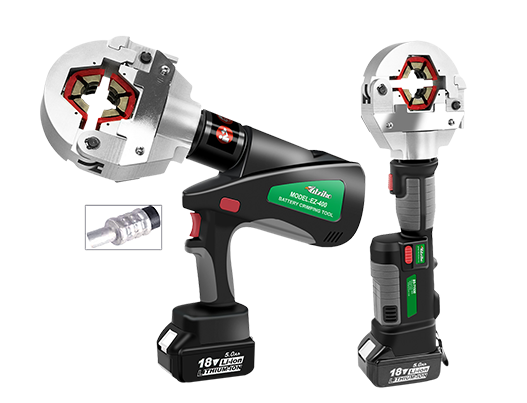
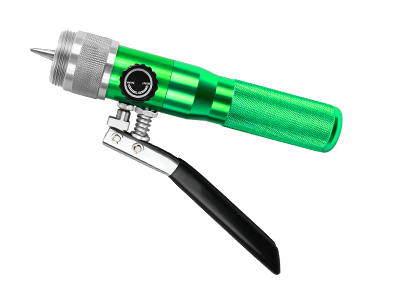
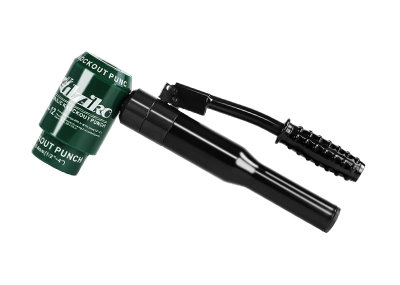
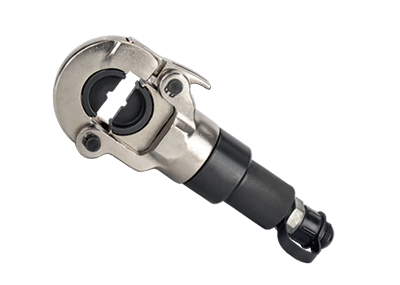
High-quality cable cutters are essential for making clean cuts without fraying the cable ends. Look for cutters that are designed specifically for the type of cable you are working with.
3.2 Strippers
Cable strippers help remove the insulation from the cables without damaging the inner wires. This step is crucial for maintaining signal integrity.
3.3 Measuring Tools
A measuring tape or ruler helps ensure that your cuts are consistent and accurate, which is critical for efficiency in any project.
3.4 Safety Gear
Safety goggles and gloves should always be worn when cutting cables to protect against flying debris and sharp edges.
4. Effective Techniques for Split Cable Cutting
Mastering the art of split cable cutting involves understanding and practicing effective techniques. Here are steps to ensure a successful cut:
4.1 Measuring and Marking
Before cutting, measure the length of cable required. Use a marker to indicate where the cut should be made, ensuring precision.
4.2 Cutting the Cable
Using your cable cutters, apply steady pressure to make a clean cut. Avoid twisting the cable during this process to prevent damaging the inner wires.
4.3 Stripping the Insulation
Once cut, use the cable strippers to carefully remove the outer insulation, exposing the inner wires. Be cautious not to nick or damage the conductors.
4.4 Preparing for Connection
Once stripped, the wires can be twisted together, soldered, or connected to terminals depending on the requirements of your project.
5. Safety Measures When Cutting Cables
Safety should always be a priority when working with cables. Follow these safety measures to avoid accidents:
5.1 Wear Protective Gear
Always wear safety goggles and gloves to protect against injuries from sharp tools and flying debris.
5.2 Work in a Well-Lit Area
Ensure your working area is well-lit to reduce the chances of errors and accidents.
5.3 Disconnect Power Sources
If you're working with electrical cables, always disconnect power to avoid electric shock.
6. Common Mistakes to Avoid in Split Cable Cutting
Even experienced individuals can make mistakes. Here are some common pitfalls to avoid:
6.1 Rushing the Process
Taking your time ensures precision. Rushing can lead to incorrect measurements and poor cuts.
6.2 Not Using the Right Tools
Using inappropriate tools can damage cables and compromise safety. Always choose tools designed for the task.
6.3 Ignoring Safety Protocols
Never skip safety measures, no matter how simple the task appears. Always prioritize your safety and that of others.
7. Maintaining Your Tools for Lasting Performance
To ensure that your tools remain effective, regular maintenance is essential.
7.1 Cleaning Tools After Use
After each use, clean your tools to prevent dirt and debris buildup, which can affect their performance.
7.2 Regular Inspections
Regularly inspect your tools for any signs of wear or damage. Replace or repair tools as necessary to maintain safety and efficiency.
7.3 Proper Storage
Store your tools in a dry and clean environment to prevent rust and deterioration.
8. Conclusion
Mastering the art of split cable cutting is essential for achieving high-quality results in various applications. By understanding the tools, techniques, and safety measures involved, you can enhance your skills and efficiency. With practice and attention to detail, you will become proficient in split cable cutting, ensuring your projects are executed with precision and care.
9. Frequently Asked Questions
9.1 What types of cables can be split?
Almost any cable type can be split, including electrical, audio, and data cables. However, the method and tools used may vary based on the cable type.
9.2 How do I choose the right cable cutter?
Select a cable cutter designed for the specific type of cable you are cutting. Ensure the cutter is sharp and comfortable to use.
9.3 Can I use regular scissors to cut cables?
Regular scissors are not recommended for cutting cables, as they can damage the cable structure and lead to poor performance.
9.4 Is it safe to cut electrical cables myself?
While it is possible, cutting electrical cables can be dangerous. Always ensure power is disconnected, and consider consulting a professional if unsure.
9.5 How often should I maintain my cutting tools?
It's good practice to clean and inspect your tools after each use and perform a more thorough maintenance check periodically, depending on usage frequency.
By following this comprehensive guide, you will be well on your way to mastering split cable cutting, ensuring you deliver quality results that exceed expectations.
Summary:
Unleash Your Precision: Mastering the Art of Split Cable Cutting Table of Contents 1. Introduction to Split Cable Cutting 2. Understanding Split Cables and Their Uses 3. Essential Tools and Equipment for Split Cable Cutting 4. Effective Techniques for Split Cable Cutting 5. Safety Measures When Cutting Cables 6. Common Mistakes to Avoid in Split Cable Cutting 7. Maintaining Your Too
Author:
Source:
Date:
2024-08-23
Other information
CONTACT
Add: No.7 Yibao West Road, Lupu Town, Yuhuan City,Zhejiang Province,China
Fax:+86-574-87484328
Copyright ©Taizhou ninghuan Technology Co., LTD. All Rights Reserved.