
-
-
About
-



Understanding Manual Hydraulic Pumps: Key Features and Applications
At the core of a manual hydraulic pump is the principle of hydraulics, often summarized by Pascal's Law, which states that pressure applied to a confined fluid is transmitted undiminished in all directions. This principle enables manual hydraulic pumps to generate high levels of force, making them ideal for tasks requiring lifting, pressing, or clamping.
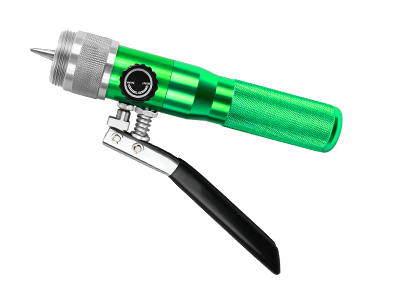
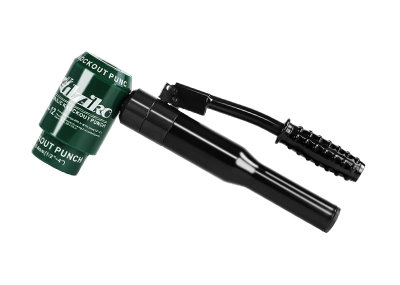
One of the primary features of manual hydraulic pumps is their simplicity and portability. Unlike electric or motorized hydraulic systems, manual pumps operate without electrical power, making them suitable for use in remote locations or in situations where electricity is unavailable. They typically consist of a pump body, a handle, and hydraulic fluid, which is essential for the operation of the system. By manually pushing the handle, the user forces hydraulic fluid through the pump, generating the pressure needed to perform various tasks.
The versatility of manual hydraulic pumps allows them to be used in numerous applications. In construction and manufacturing, they are often employed for lifting heavy machinery, positioning components, or testing materials under pressure. Additionally, they are valuable in automotive repair shops, where they can assist in tasks such as lifting vehicles for maintenance or replacing components.
When selecting a manual hydraulic pump, it’s crucial to consider factors such as the maximum pressure output, the volume of hydraulic fluid it can hold, and the materials used in its construction. These characteristics can significantly affect performance and durability. For example, pumps made from corrosion-resistant materials are ideal for environments where exposure to harsh substances is a concern.
Another significant aspect to be aware of is the maintenance of manual hydraulic pumps. Regular inspection and maintenance are essential to ensure these tools operate efficiently. Checking for leaks, ensuring the hydraulic fluid is at the correct level, and inspecting the seals and fittings for wear can prolong the lifespan of the pump and enhance its effectiveness.
In summary, manual hydraulic pumps are indispensable tools in various fields, offering a combination of efficiency, portability, and ease of use. By understanding their functionality and applications, professionals can effectively leverage these tools to enhance productivity and ensure safety in their operations.
Summary:
Manual hydraulic pumps are vital tools widely used in various industrial and mechanical applications. They function by converting manual energy into hydraulic energy, allowing users to lift heavy loads or apply significant pressure with minimal effort. Understanding how these pumps work and their applications can provide valuable insights for professionals in the field of mechanical hardware and t
Author:
Source:
Date:
2024-08-18
Other information
CONTACT
Add: No.7 Yibao West Road, Lupu Town, Yuhuan City,Zhejiang Province,China
Fax:+86-574-87484328
Copyright ©Taizhou ninghuan Technology Co., LTD. All Rights Reserved.